
Concrete Slab Foundation Lifespan & Repair: A Complete 2026 Guide for Homeowners
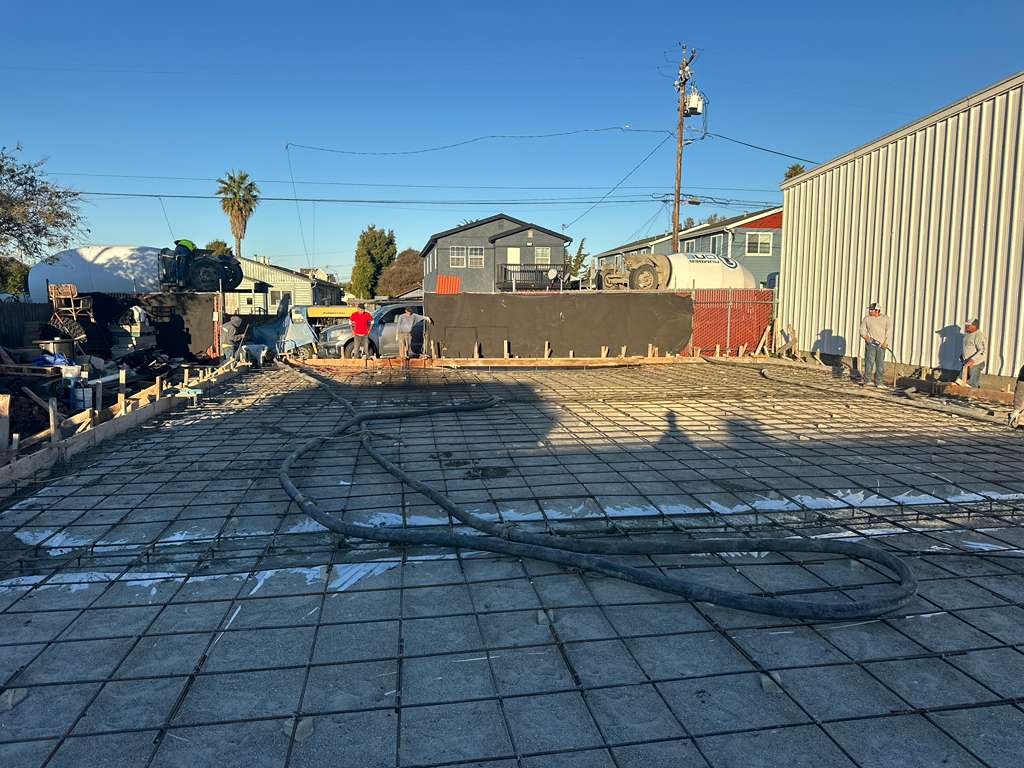
Concrete Slab Foundation Lifespan & Repair: A Complete 2026 Guide for Homeowners
Your home’s foundation is not something you think about every day—until something goes wrong. Cracks in the floor, uneven surfaces, or doors that suddenly won’t close properly can all point to one thing: foundation trouble.
If your home is built on a concrete slab foundation, you’re likely asking three important questions. How long does it last? How do you repair it? And if things get worse, can it be replaced?
The short answer is this. A concrete slab foundation can last 50 to 100 years, but its lifespan depends heavily on soil conditions, construction quality, and maintenance. When problems appear, repair is often possible, and full replacement is usually a last resort reserved for severe damage.
Let’s break it down so you can understand exactly what to expect and how to protect your home.
What Is the Lifespan of a Concrete Slab Foundation?
A properly built concrete slab foundation is designed to last decades. In many cases, it can remain structurally sound for up to a century. However, this does not mean it will stay problem-free throughout its life.
Several factors influence how long your slab foundation will last.
Key Factors That Affect Lifespan
- Soil conditions beneath your home
- Moisture levels and drainage
- Quality of construction and materials
- Exposure to temperature changes
- Maintenance over time
In areas with stable soil and proper drainage, slab foundations tend to last longer with minimal issues. However, in regions with expansive clay soil or frequent moisture fluctuations, the lifespan can be shortened due to constant movement beneath the slab.
Even though the structure itself may last decades, minor problems such as cracks or settling can appear much earlier. These issues do not always mean the foundation is failing, but they should never be ignored.
Early Signs Your Slab Foundation Needs Attention
Most homeowners do not realize there is a problem until visible signs appear inside the house. Catching these early can help extend the life of your foundation and reduce repair costs.
Common Warning Signs
- Cracks in floors or interior walls
- Uneven or sloping floors
- Doors and windows sticking or misaligning
- Gaps between walls and ceilings
- Water pooling near the foundation
These symptoms often indicate movement or stress within the foundation. Addressing them early can prevent more serious structural issues later.
How Do You Repair a Concrete Slab Foundation?
The good news is that most slab foundation problems can be repaired without replacing the entire structure. The right repair method depends on the type and severity of the damage.
Common Slab Foundation Repair Methods
Crack Repair
Small cracks are one of the most common issues. These can often be sealed using epoxy or polyurethane injections to prevent water intrusion and further damage.
Slab Jacking (Mudjacking)
When a slab settles unevenly, contractors may use slab jacking to lift it back into place. This involves pumping a material beneath the slab to fill voids and restore level support.
Polyurethane Foam Injection
This is a modern alternative to traditional mudjacking. Lightweight foam is injected under the slab, expanding to lift and stabilize the foundation. It is faster and less invasive.
Piering or Underpinning
For more serious structural problems, steel or concrete piers are installed beneath the foundation to provide additional support. This method is often used when soil movement causes significant settling.
Drainage Correction
In many cases, the root cause of foundation damage is poor drainage. Installing proper drainage systems helps prevent future issues and protects your investment.
What Determines the Cost of Repair?
Foundation repair costs vary depending on the extent of damage and the method used. Minor crack repairs are relatively affordable, while structural stabilization can be more expensive.
Typical Cost Influencers
- Size of the affected area
- Severity of the damage
- Type of repair required
- Accessibility of the foundation
- Local soil conditions
In general, small repairs may cost a few hundred dollars, while larger structural fixes can range from a few thousand to over $10,000.
Can a Slab Foundation Be Replaced?
Yes, a slab foundation can be replaced, but it is rarely the first option. Replacement is typically considered only when the damage is too severe to repair effectively.
When Replacement Becomes Necessary
- Extensive structural failure
- Severe cracking throughout the slab
- Major soil instability beneath the foundation
- Repeated repair failures
Replacing a slab foundation is a complex and costly process. It involves lifting the home, removing the existing slab, preparing the ground, and pouring a new foundation.
Because of the cost and complexity, most homeowners and contractors prefer repair solutions whenever possible.
What Does Slab Foundation Replacement Cost?
Foundation replacement is significantly more expensive than repair. Costs can vary widely based on the size of the home and the complexity of the project.
General Cost Range
- Small homes: $20,000 – $40,000
- Medium homes: $40,000 – $80,000
- Large or complex projects: $80,000+
While these numbers may seem high, replacement can sometimes be the only way to restore long-term stability in extreme cases.
Repair vs Replacement: Which Is Better?
Choosing between repair and replacement depends on the condition of your foundation.
Repair is usually the better option when the damage is localized and the overall structure remains stable. It is more affordable, less invasive, and quicker to complete.
Replacement, on the other hand, is necessary when the foundation has widespread damage that cannot be effectively repaired. While it requires a larger investment, it provides a completely new and stable base for your home.
In most cases, a professional inspection is needed to determine the best approach.
How to Extend the Life of Your Slab Foundation
Preventive maintenance plays a crucial role in extending the lifespan of your foundation. Small steps can make a big difference over time.
Best Practices for Longevity
- Ensure proper drainage around your home
- Keep soil moisture levels consistent
- Fix plumbing leaks immediately
- Seal small cracks early
- Schedule regular inspections
These simple actions help reduce stress on the foundation and prevent minor issues from turning into major repairs.
Why Slab Foundations Fail Over Time
Understanding why slab foundations fail can help you avoid costly mistakes. Most failures are not due to poor materials but rather environmental factors and lack of maintenance.
Common Causes of Failure
- Expansive soil movement
- Water damage and poor drainage
- Tree roots affecting soil stability
- Improper construction techniques
- Long-term neglect of minor issues
By addressing these factors early, you can significantly increase the lifespan of your foundation.
How Long Do Repairs Last?
One of the most common concerns homeowners have is whether repairs are permanent. The answer depends on the method used and the underlying cause of the problem.
High-quality repairs, especially those that address the root cause such as soil movement or drainage issues, can last decades. However, temporary fixes that do not solve the underlying problem may only provide short-term relief.
This is why it is important to choose experienced professionals who focus on long-term solutions rather than quick fixes.
Final Thoughts: What Should Homeowners Do Next?
A concrete slab foundation is one of the most durable components of your home, but it is not immune to damage. With a lifespan of 50 to 100 years, it can serve you well if properly maintained.
The key is to act early. Small cracks and minor settling are common, but ignoring them can lead to costly repairs or even full replacement. Most foundation issues can be repaired effectively when caught in time, saving you both money and stress.
If you suspect a problem, the best step is to get a professional inspection and understand your options.
Expert Slab Foundation Services by BleuNet
At BleuNet, we specialize in diagnosing and repairing slab foundation issues with precision and care. Whether you are dealing with minor cracks, uneven floors, or serious structural concerns, our team provides solutions designed for long-term stability.
From advanced slab foundation repair techniques to complete foundation replacement when necessary, BleuNet ensures your home remains safe, secure, and structurally sound.