
15 Deck Features That Can Transform Your Backyard in 2026
15 Deck Features That Can Transform Your Backyard in 2026
Your backyard deck is more than a wooden platform off the back door — it’s the stage where summer barbecues happen, where morning coffee gets quiet and slow, and where friends linger long after the sun goes down. As we move into 2026, homeowners are rethinking what a deck can actually do. It’s no longer just a place to put a grill and a couple of chairs. It’s an extension of the home itself.
Whether you’re planning a full remodel or just want to upgrade a tired old deck, these 15 features are shaping backyard design this year. Let’s walk through them, and along the way, answer the questions homeowners ask most often before they start building.
1. Multi-Level Deck Layouts
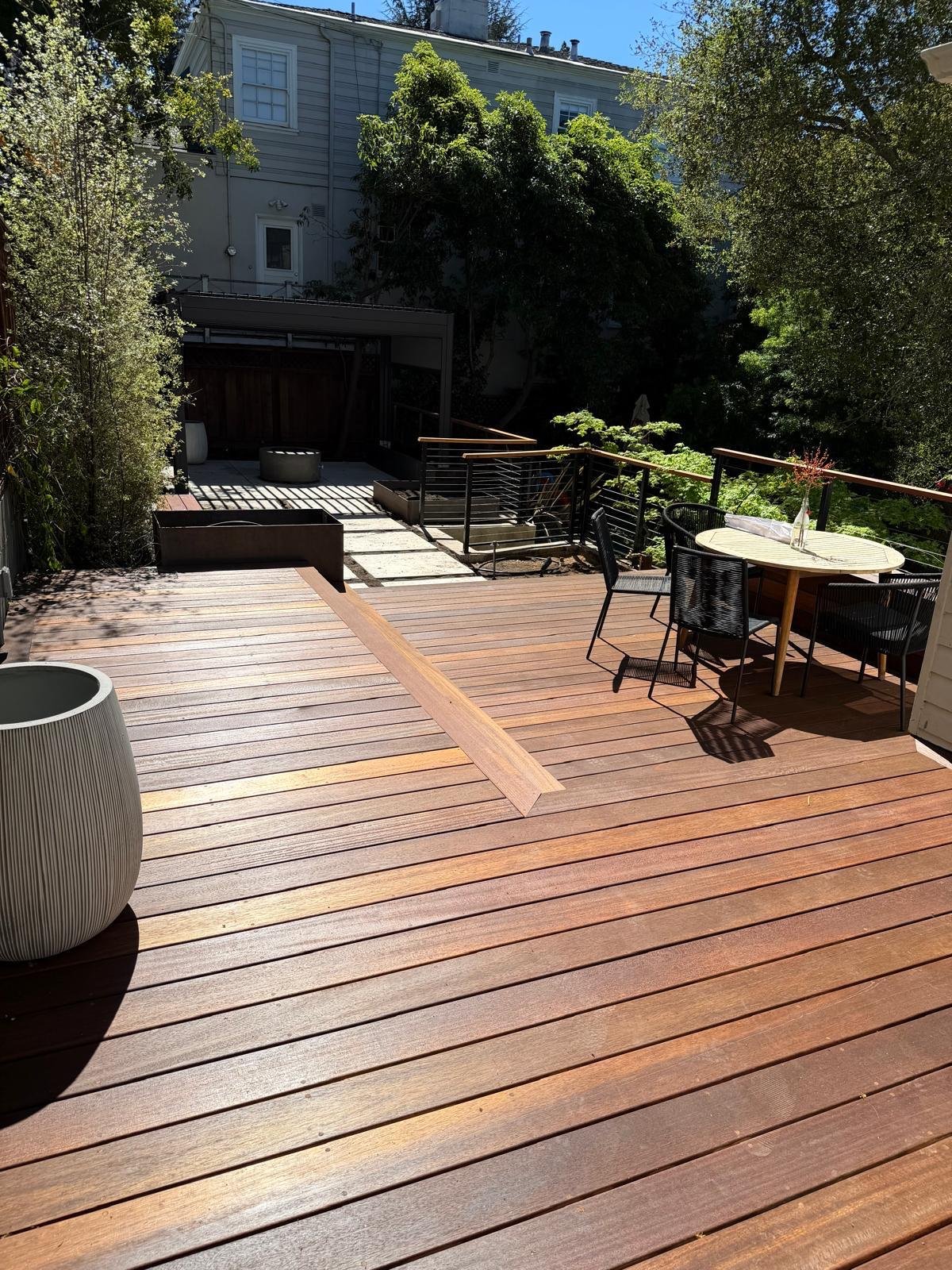
Flat, single-tier decks are giving way to multi-level designs that separate cooking, dining, and lounging into distinct zones. A raised platform for the grill, a mid-level dining area, and a sunken lounge space near the fire pit create natural flow without needing walls or fences. Multi-level decks also help homeowners work with sloped yards that used to be considered unusable.
2. Outdoor Kitchens
This is one of the biggest shifts in backyard design. Built-in grills, prep counters, mini-fridges, and even pizza ovens are turning decks into fully functional outdoor kitchens. Instead of running back and forth to the indoor kitchen, everything the host needs stays within arm’s reach.
3. Built-In Seating and Benches
Built-in benches are one of the most requested features for 2026, and for good reason.
Are built-in benches worth adding?
Yes — for most homeowners, built-in benches deliver strong value for the investment. They free up floor space that would otherwise be taken by bulky furniture, they hold up better against weather than most patio furniture, and they can double as storage for cushions, garden tools, or pool toys. Benches also add a finished, custom look that makes a deck feel intentionally designed rather than furnished as an afterthought. The one trade-off is flexibility — built-in seating is permanent, so it’s worth planning the layout carefully around how the space will actually be used before construction begins.
4. Fire Pits and Fireplaces
A fire feature turns a three-season deck into a four-season one. Gas fire pits are especially popular because they ignite instantly, produce no smoke, and can be turned off the moment the party winds down. For larger backyards, a stone fireplace built into the deck structure creates a dramatic focal point.
5. Pergolas and Shade Structures
Shade is one of the top concerns homeowners raise when planning a deck, especially in yards that get strong afternoon sun.
Should you add a pergola or shade structure?
In most cases, yes. A pergola extends the number of usable hours on a deck by shielding it from direct sun and light rain, and it adds architectural interest that a flat, open deck doesn’t have on its own. Traditional open-slat pergolas offer partial shade and can be dressed up with climbing vines or retractable canopies. Louvered or motorized pergolas cost more but let homeowners adjust the amount of light and airflow throughout the day. For decks that face west or get intense sun in the late afternoon, a shade structure isn’t just a nice-to-have — it’s often the difference between a deck that gets used daily and one that sits empty during the hottest months.
6. Outdoor Entertaining Features
Entertaining is the number one reason homeowners upgrade their decks, so it’s worth breaking down exactly which features make the biggest difference.
Which deck features improve outdoor entertaining?
A handful of features consistently show up in decks built for hosting:
- Outdoor kitchens and bar areas keep food and drinks close to the action instead of forcing guests inside.
- Multi-level layouts naturally separate cooking, dining, and lounging so guests aren’t crowded into one space.
- Built-in seating accommodates more people without cluttering the deck with folding chairs.
- Fire pits give guests a reason to stay outside after dark.
- Sound systems with weatherproof speakers set the mood without anyone needing to run an extension cord from indoors.
- Ambient lighting keeps the space usable — and looking good — well past sunset.
Together, these features turn a deck from a spot for quick meals into a genuine extension of the living room, one that can comfortably host a dinner party or a weekend get-together.
7. Outdoor Sound Systems
Weatherproof, built-in speakers are becoming a standard request rather than a luxury add-on. Wired systems tend to sound better and hold up longer, but Bluetooth-enabled outdoor speakers offer more flexibility for smaller budgets.
8. Composite Decking Materials
Composite decking continues to gain ground over traditional wood because it resists rot, fading, and splintering, and it requires little more than occasional cleaning. While the upfront cost is higher than pressure-treated lumber, the reduced maintenance and longer lifespan make it an appealing option for homeowners who want a low-hassle deck.
9. Deck Lighting
Lighting does more than help people see where they’re walking — it shapes how a deck feels after dark.
What lighting options work best?
The best-performing decks in 2026 tend to layer several types of lighting rather than relying on one bright overhead fixture:
- Post cap and railing lights mark the edges of the deck and add a soft, ambient glow.
- Recessed step lights improve safety on stairs without being visually intrusive.
- String lights create a warm, casual atmosphere for entertaining and are relatively inexpensive to install.
- Under-bench and toe-kick lighting adds a modern touch and highlights built-in seating.
- Smart, app-controlled LED systems let homeowners adjust brightness and color for different occasions, from a quiet dinner to a backyard party.
Layering these options, rather than picking just one, creates a deck that feels well-lit and intentional at any hour.
10. Privacy Screens and Partial Walls
As backyards get closer together in many neighborhoods, privacy has become a bigger design priority. Louvered privacy walls, lattice panels, and tall planter boxes all offer ways to block sightlines from neighboring yards without making the deck feel closed in.
11. Built-In Planters
Built-in planters add greenery without eating up floor space that could otherwise hold furniture. They also help soften the hard edges of a wood or composite deck, and they can double as a natural privacy screen when filled with taller plants or small shrubs.
12. Heaters and Four-Season Add-Ons
Infrared and radiant heaters are helping homeowners use their decks year-round rather than just in summer. Combined with a pergola or partial roof, a heated deck can function almost like an additional room of the house during cooler months.
13. Hot Tub and Spa Integration
Building a hot tub directly into the deck structure, rather than placing it on a separate concrete pad, creates a more seamless look and can make the space feel like a true backyard retreat. This does require careful structural planning, since hot tubs are heavy, so it’s a feature best handled by an experienced deck builder.
14. Outdoor Rugs and Furniture Storage
Small details matter. Built-in storage benches for cushions and outdoor rugs designed for exterior use help keep a deck looking finished and lived-in rather than cluttered.
15. Smart Deck Technology
From app-controlled lighting to motorized pergola louvers and integrated outdoor speakers, smart technology is quietly becoming part of deck design. These upgrades add convenience without requiring homeowners to be near a switch or remote.
Which Features Provide the Best Long-Term Value?
Not every feature on this list delivers the same return, whether that return is measured in resale value, daily usability, or reduced maintenance over time. A few consistently stand out:
- Composite decking tends to offer the strongest long-term value because it minimizes the recurring costs of staining, sealing, and repairs that come with traditional wood.
- Built-in seating and storage hold their value well since they’re durable, functional, and appealing to future buyers if the home is ever sold.
- Pergolas and shade structures extend the usable life of the deck across more months of the year, which increases the overall return on the investment.
- Outdoor kitchens are consistently cited as one of the higher-return backyard upgrades, since they expand the functional living space of a home.
- Quality lighting is a relatively low-cost addition that has an outsized impact on how much a deck gets used, especially in the evenings.
The common thread among these features is that they either reduce future costs or increase how often — and how comfortably — the deck actually gets used. A feature that looks impressive but rarely gets used, like an elaborate structure added purely for appearance, tends to offer less value over time than something simpler that the household relies on daily.
Planning Your 2026 Deck Upgrade
The best decks aren’t built by piling on every feature from a list — they’re built around how a family actually plans to use the space. A household that entertains often might prioritize the outdoor kitchen and multi-level layout, while a family looking for a quiet retreat might lean toward a pergola, built-in planters, and layered lighting.
Whatever direction fits your backyard, working with an experienced professional makes a real difference in how the final project turns out — both in terms of design and long-term durability. If you’re in the East Bay and planning a deck project for 2026, working with a trusted Deck Builders Berkeley CA homeowners already recommend can help make sure your deck is built to last, both structurally and stylistically.
A well-planned deck isn’t just an upgrade to your backyard — it’s an investment in how your family lives, entertains, and relaxes for years to come.