
What Causes Structural Damage in a House?
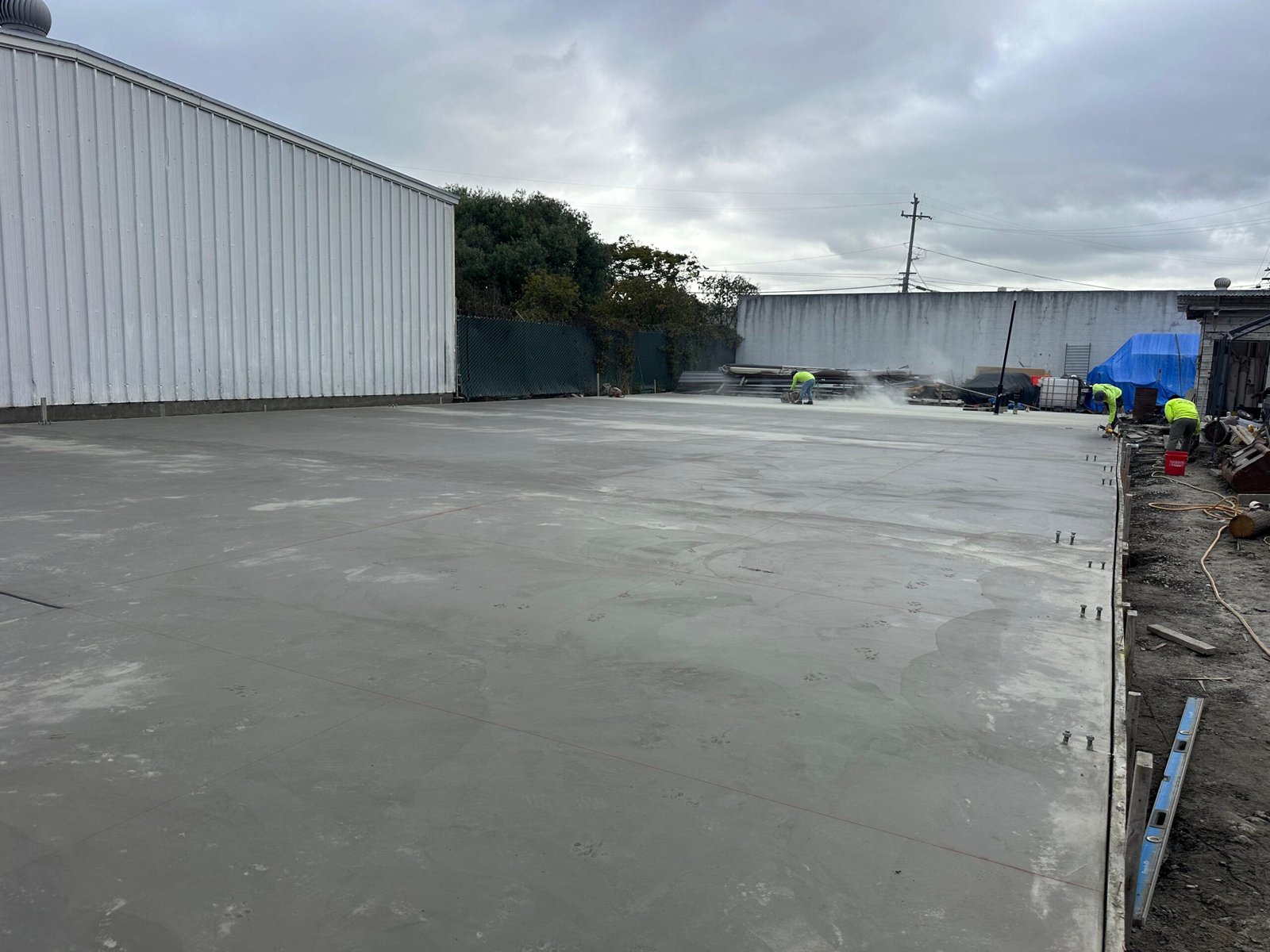
What Causes Structural Damage in a House?
A house is only as strong as the systems holding it together — the foundation, framing, load-bearing walls, and roof structure all work in concert to keep a home safe and stable. When one of these systems is compromised, the effects can ripple through the entire structure, sometimes in ways that aren’t visible until the damage is significant. Understanding what causes structural damage helps homeowners catch problems early, before a minor repair turns into a major (and expensive) renovation.
Let’s break down the most common causes of structural damage and what they mean for your home.
Can Foundation Settlement Cause Structural Problems?
Yes — foundation settlement is one of the leading causes of structural damage in residential homes. Settlement happens when the soil beneath a foundation shifts, compresses, or erodes unevenly, causing parts of the foundation to sink or move at different rates than others. This is called differential settlement, and it’s far more damaging than uniform settlement, where the entire foundation sinks evenly.
Signs of foundation settlement include:
- Diagonal cracks in drywall, especially around doors and windows
- Doors and windows that stick or won’t close properly
- Sloping or uneven floors
- Cracks in the foundation itself, particularly stair-step cracks in block or brick foundations
- Gaps between walls and ceilings or walls and floors
Foundation settlement is often caused by expansive clay soils that swell when wet and shrink when dry, poor soil compaction during construction, drainage issues that saturate soil around the foundation, or plumbing leaks beneath the slab. Left unaddressed, settlement can compromise load-bearing walls, crack structural beams, and eventually affect the roofline.
How Can Earthquakes Affect a Structure?
Earthquakes introduce lateral (side-to-side) forces that most homes aren’t naturally built to withstand, especially older homes constructed before modern seismic codes were adopted. During an earthquake, a house shakes and shifts on its foundation, which can cause:
- Cracking or crumbling of unreinforced masonry
- Foundation separation, where the house shifts off its foundation plate (common in older homes without proper bolting)
- Damage to cripple walls — the short wood-framed walls between the foundation and the first floor
- Chimney damage or collapse
- Cracked or buckled foundations, particularly in homes on hillside or unstable soil
Even moderate earthquakes can cause cumulative damage that isn’t obvious right away. Micro-cracks in the foundation or subtle shifts in framing may not cause visible problems until months later, when settling continues or another seismic event adds further stress. This is why post-earthquake inspections are so important, even when a home “looks fine” from the outside.
Can Water Damage Weaken Structural Components?
Absolutely — water is one of the most destructive forces a house can face, and its effects on structural components are often underestimated. Water damage weakens structural integrity in several ways:
Wood rot: Prolonged moisture exposure causes wood framing, sill plates, and floor joists to decay. Rotted wood loses its load-bearing capacity, which can lead to sagging floors or unstable walls.
Foundation erosion: Water pooling around a foundation — from poor grading, clogged gutters, or inadequate drainage — can erode soil support and lead to settlement or cracking.
Rust and corrosion: Steel reinforcement (rebar) inside concrete foundations can corrode when water infiltrates cracks, causing the surrounding concrete to expand and crack further, a problem known as “concrete cancer” or rebar jacking.
Mold and hidden decay: Chronic moisture problems often go unnoticed until structural components are already compromised, since mold and rot frequently develop inside walls or beneath flooring.
Common sources of water damage include roof leaks, plumbing failures, poor exterior drainage, basement flooding, and even long-term high humidity in crawl spaces. Addressing water intrusion early — before it reaches structural framing — is one of the most cost-effective ways to prevent serious damage.
Does Poor Construction Contribute to Structural Issues?
Yes, and unfortunately, construction defects are a more common cause of structural damage than many homeowners realize. Poor construction practices can introduce weaknesses that surface years — even decades — later. Examples include:
- Inadequate soil compaction before pouring a foundation
- Undersized or improperly spaced support beams and joists
- Skipping or improperly installing rebar in concrete foundations
- Poor waterproofing or drainage design around the foundation
- Using substandard or water-damaged lumber during framing
- Failing to follow local building codes for seismic or soil conditions
These issues are especially problematic because they’re often hidden behind finished walls, flooring, or landscaping, making them difficult to detect until a symptom — like a crack or sloping floor — appears. Homes built during rapid development periods, or by contractors cutting corners on cost, are more likely to develop these issues over time.
Can Tree Roots Affect a Home’s Structure?
Yes, tree roots can cause significant structural damage, and this is a cause that’s frequently overlooked. Roots affect structures in two opposing ways:
Soil moisture depletion: Large trees, especially thirsty species like willows, oaks, and eucalyptus, draw substantial water from the soil. In expansive clay soils, this can cause the soil to shrink and pull away from the foundation, leading to settlement and cracking — a particularly common issue in regions with clay-heavy soil and seasonal dry spells.
Physical root intrusion: Roots seeking water and nutrients can grow beneath foundations, exerting upward pressure that cracks slabs or shifts foundation footings. Roots can also infiltrate and damage underground plumbing, which then creates secondary water damage issues.
The risk increases with tree proximity to the home, soil type, and species. As a general rule, trees should be planted at a distance equal to their mature height away from a foundation, though this varies by species and root aggressiveness.
What Does Structural Repair Cost? (It Depends on the Problem)
One of the most common questions homeowners ask is “how much will this cost to fix?” But there’s no honest single average price to give here — structural repair costs vary enormously depending on the cause, severity, and repair method involved. Instead, it’s more useful to understand cost by problem type:
Foundation settlement repairs typically involve methods like slab piering, helical piers, or mudjacking. Piering methods (steel push piers or helical piers) tend to cost more per pier but offer a more permanent, engineered solution, while mudjacking is generally less expensive but may not address the underlying soil issue long-term. Costs depend on the number of piers needed, foundation accessibility, and soil conditions.
Earthquake-related retrofits often involve foundation bolting, cripple wall bracing, and shear wall installation. Costs vary based on the size of the home, the extent of existing damage, and whether work is preventive (seismic retrofitting) versus post-damage repair.
Water damage repairs range from moderate to extensive depending on whether the damage is limited to surface-level rot or has spread to structural framing, requiring beam or joist replacement, drainage correction, and waterproofing.
Construction defect repairs are highly variable since they may require partial demolition to access and correct hidden framing or foundation issues.
Root-related repairs often combine foundation repair (piering or leveling) with root barrier installation or tree removal, plus potential plumbing repair if roots have damaged pipes.
Because of this variability, it’s important to get a proper inspection and itemized quote rather than relying on a rough estimate found online. A structural engineer or qualified contractor can assess the specific cause of damage and recommend the right repair method — which is the real driver of cost, not a flat industry average.
When to Call a Professional
If you’re noticing cracks, sloping floors, sticking doors, or visible foundation damage, it’s worth having your home evaluated before the problem worsens. A qualified Structural Repair Contractor Berkeley homeowners trust can assess whether the issue stems from settlement, water intrusion, seismic activity, construction defects, or root damage — and recommend the most effective, lasting repair method for your specific situation.
Structural issues rarely improve on their own, and early intervention is almost always less invasive and less costly than waiting until damage becomes severe. If you’ve spotted warning signs in your home, a professional structural assessment is the best next step toward protecting your investment.