
Is Your Building Ready for the Next Earthquake? Warning Signs
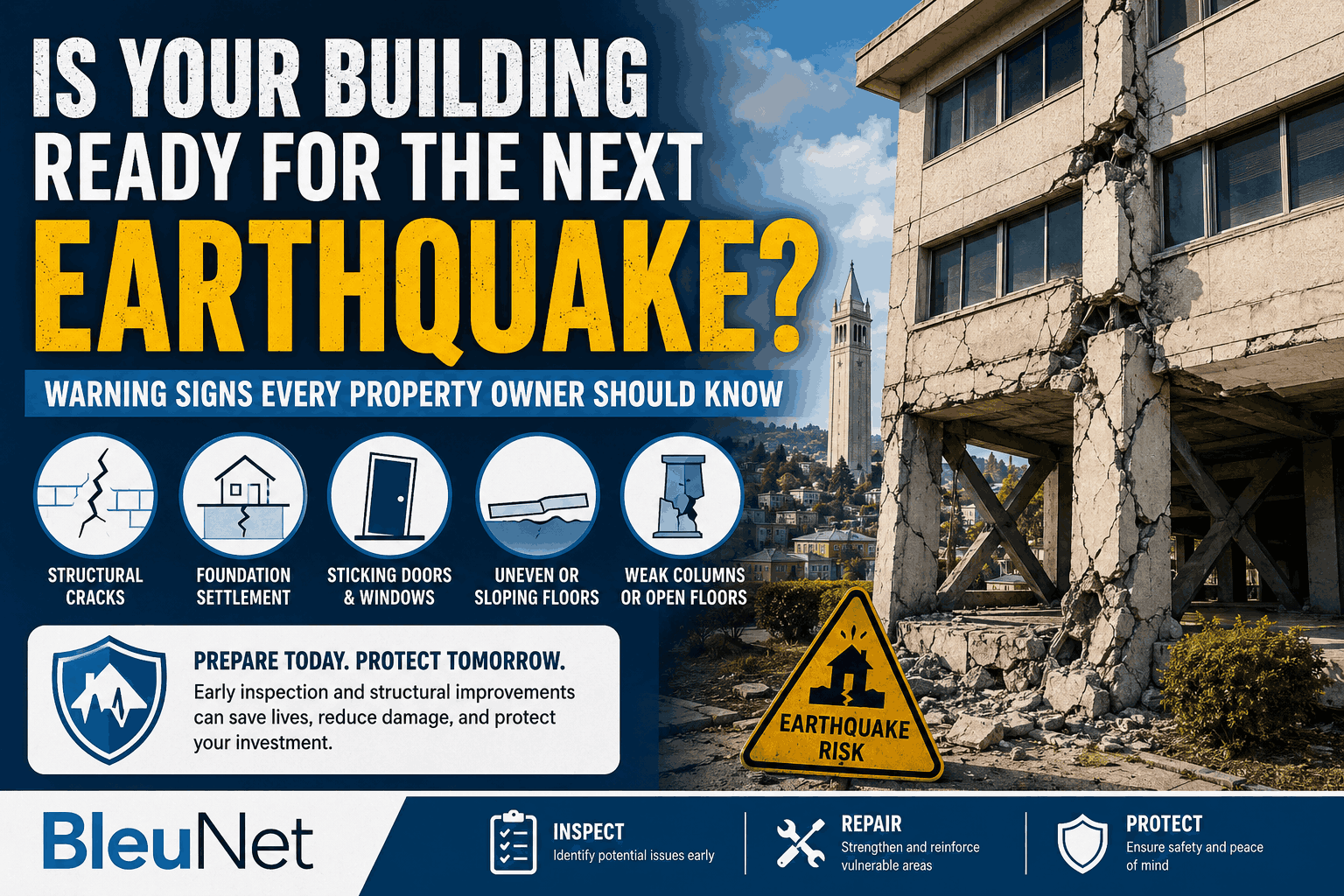
Is Your Building Ready for the Next Earthquake? Warning Signs
Earthquakes strike without warning, but the condition of a building before the shaking begins often determines how well it performs afterward. For property owners in earthquake-prone regions, waiting until visible damage appears is rarely the best approach. Identifying structural concerns early can help protect occupants, reduce repair costs, and preserve the long-term value of a property.
Whether you own a residential building, an apartment complex, or a commercial property, understanding the warning signs of structural vulnerability is an important part of responsible ownership. Regular inspections and timely improvements can make a significant difference when the next seismic event occurs.
This guide explains what makes a building more susceptible to earthquake damage, how to recognize potential structural issues, which properties face the greatest risks, and when it’s time to schedule a professional evaluation.
What Makes a Building Vulnerable During an Earthquake?
Every building responds differently during an earthquake. Factors such as age, construction methods, soil conditions, and previous maintenance all influence its ability to withstand seismic forces.
Some of the most common factors that increase vulnerability include:
- Aging construction materials
- Weak or deteriorating foundations
- Inadequate structural connections
- Large open ground floors with limited support
- Poor drainage leading to soil movement
- Previous earthquake damage that was never properly repaired
- Unpermitted renovations that altered structural components
Buildings constructed before modern seismic building codes often lack the reinforcement needed to resist lateral movement. Even if a structure appears visually sound, hidden weaknesses may exist behind walls, beneath floors, or within the foundation.
Warning Signs Every Property Owner Should Watch For
Many buildings show early warning signs long before major structural damage develops.
Pay attention to these indicators:
1. Cracks Around Doors and Windows
Hairline cracks may be cosmetic, but widening or diagonal cracks can indicate movement within the structure.
Watch for:
- Stair-step cracks in masonry
- Large diagonal wall cracks
- Cracks that continue growing over time
2. Uneven or Sloping Floors
Floors should remain level throughout the building.
Signs of concern include:
- Furniture rolling on its own
- Floors that bounce excessively
- Noticeable dips or slopes
These conditions may point to foundation settlement or weakened structural framing.
3. Doors and Windows That Stick
If doors suddenly become difficult to open or windows no longer close properly, structural movement could be affecting the building frame.
This issue becomes more concerning when multiple doors throughout the property experience similar problems.
4. Foundation Cracks
Small shrinkage cracks are common in concrete, but larger horizontal, diagonal, or widening cracks deserve professional attention.
Water intrusion near the foundation may accelerate deterioration over time.
5. Visible Wood Damage
Moisture, termites, and age can weaken important framing members.
Inspect crawl spaces and basements for:
- Rotting wood
- Insect damage
- Sagging beams
- Loose connections
6. Separation Between Walls and Ceilings
Visible gaps where walls meet ceilings may indicate structural movement that should not be ignored.
7. Chimney Movement
Leaning chimneys or cracked brickwork often signal shifting foundations or inadequate seismic reinforcement.
How Can Property Owners Identify Structural Weaknesses?
Not every structural issue is visible during a routine walk-through. A more comprehensive evaluation often involves both visual observations and detailed engineering assessments.
Property owners can begin by:
Conducting Annual Visual Inspections
Check both interior and exterior areas for:
- New cracks
- Water damage
- Foundation movement
- Roof framing issues
- Crawl space moisture
Document changes with photographs to monitor progression over time.
Reviewing the Building’s Age
Buildings constructed decades ago may have been designed under outdated seismic standards.
Older apartment buildings, mixed-use properties, and commercial structures deserve particular attention because construction requirements have evolved significantly.
Looking for Previous Repairs
Past repairs aren’t necessarily a problem, but poorly executed work may create new structural weaknesses.
Ask questions about:
- Permit history
- Engineering reports
- Foundation repairs
- Previous earthquake damage
Scheduling Professional Structural Evaluations
Licensed professionals use specialized techniques to assess:
- Load paths
- Foundation integrity
- Framing connections
- Structural movement
- Soil interaction
These inspections often identify problems long before they become visible to occupants.
Which Buildings Are Considered High Risk?
Certain building types consistently perform worse during significant earthquakes.
Older Apartment Buildings
Many multi-family buildings constructed before updated seismic standards have structural characteristics that require additional reinforcement.
One of the most common improvements recommended for these structures is a Soft Story Retrofit, which strengthens vulnerable lower levels that contain large openings such as parking garages or retail spaces.
Homes Built on Hillsides
Sloped lots present unique engineering challenges.
Potential concerns include:
- Soil movement
- Retaining wall failure
- Differential settlement
- Drainage problems
Buildings with Crawl Spaces
While crawl spaces offer convenient utility access, they also expose framing members to moisture, pests, and foundation movement if not properly maintained.
Unreinforced Masonry Buildings
Brick and masonry structures without modern reinforcement often experience severe damage during earthquakes due to their limited flexibility.
Older Commercial Buildings
Warehouses, retail centers, and office buildings built before modern code requirements may contain outdated structural systems requiring evaluation.
When Should a Professional Inspection Be Scheduled?
Many owners wait until obvious damage appears before contacting a structural professional. Unfortunately, by then repairs may be significantly more expensive.
Consider scheduling an inspection if:
- The building is over 30 years old.
- You’ve noticed new wall or foundation cracks.
- Doors or windows have become misaligned.
- Floors are uneven.
- You’re planning a major renovation.
- The property recently experienced an earthquake.
- You’re purchasing or selling the building.
- Water has repeatedly entered the crawl space or basement.
Routine inspections provide peace of mind while helping owners prioritize repairs before problems escalate.
What Happens If Structural Weaknesses Are Ignored?
Ignoring early warning signs rarely saves money over the long term.
Common consequences include:
Increasing Repair Costs
Minor foundation issues often become major structural repairs when left unresolved.
What begins as a small crack can eventually affect walls, flooring, plumbing, and roofing systems.
Reduced Property Value
Visible structural issues discourage buyers and may complicate financing or insurance approvals.
Professional documentation showing proactive maintenance often increases buyer confidence.
Greater Earthquake Damage
Buildings with existing weaknesses typically experience more extensive damage during seismic events.
Loose connections, weakened framing, and unstable foundations may fail under loads that stronger buildings can withstand.
Safety Risks
The most important concern is occupant safety.
Structural failures may lead to:
- Partial collapses
- Falling building components
- Trapped occupants
- Costly emergency repairs
Preventive maintenance significantly reduces these risks.
Preventive Steps Property Owners Can Take
Preparation doesn’t always require major construction immediately.
Several proactive measures help improve structural resilience:
- Schedule routine inspections.
- Address drainage issues around foundations.
- Repair water leaks promptly.
- Seal foundation cracks before moisture enters.
- Replace deteriorated framing members.
- Secure heavy equipment and utilities.
- Upgrade outdated structural connections where recommended.
- Keep detailed maintenance records.
Small investments made today often prevent much larger expenses later.
Choosing the Right Construction Professional
Structural improvements require experience, planning, and compliance with local building requirements.
When hiring a contractor, ask about:
- Licensing and insurance
- Earthquake retrofit experience
- Local project history
- Permit management
- Structural coordination with engineers
- Warranty coverage
- References from similar projects
Working with an experienced General Contractor in Berkeley can help ensure repairs are completed according to current seismic standards while minimizing disruption to your property.
Long-Term Benefits of Early Structural Improvements
Investing in structural upgrades offers benefits beyond earthquake preparedness.
Property owners often experience:
- Lower long-term maintenance costs
- Improved occupant confidence
- Better building performance
- Increased resale value
- Greater compliance with modern construction standards
- Reduced likelihood of emergency repairs
Preventive maintenance is generally more affordable than restoring a severely damaged building after a major earthquake.
Why Foundation Health Matters
A building’s performance begins at the ground level. Even well-designed framing cannot perform effectively if the foundation is compromised.
Regular inspections help identify settlement, moisture intrusion, and structural movement before these issues spread throughout the property. When problems are discovered early, professional Foundation Repair Berkeley CA services can restore stability and reduce the risk of more extensive structural damage.
Conclusion
Earthquake preparedness starts long before the ground begins to shake. Understanding the warning signs of structural weakness allows property owners to make informed decisions that protect lives, preserve investments, and extend the lifespan of their buildings.
Whether it’s a small crack in the foundation, uneven flooring, or signs of aging construction, early evaluation is always preferable to emergency repairs after a seismic event. Scheduling routine inspections, maintaining structural components, and addressing concerns promptly can significantly improve a building’s resilience.
For property owners seeking trusted structural solutions, BleuNet provides experienced guidance and quality workmanship to help buildings remain safer, stronger, and better prepared for whatever the future may bring.