
Concrete vs. Stone vs. Timber: Choosing the Best Material for Retaining Wall
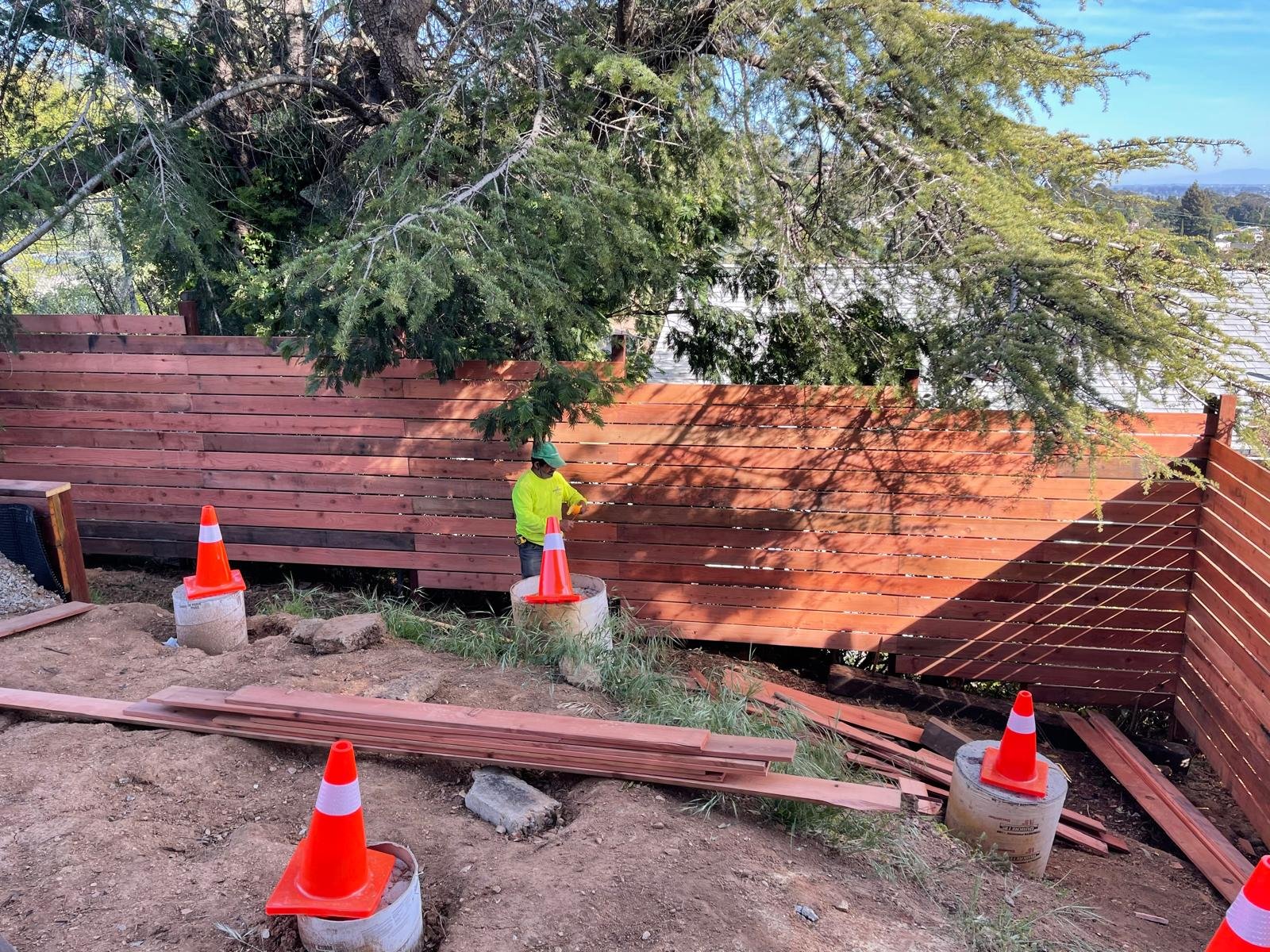
Concrete vs. Stone vs. Timber: Choosing the Best Material for Retaining Wall
If you’re planning a landscaping upgrade or dealing with a sloped, erosion-prone yard, a retaining wall is one of the smartest investments you can make in your property. But before the first shovel hits the ground, there’s a critical decision to make: what material should your wall be built from?
At BleuNet Construction, we get asked this question constantly. Concrete, stone, and timber are the three most popular choices, and each comes with its own strengths, weaknesses, and ideal use cases. Choosing the right one depends on your budget, the look you’re going for, how long you want the wall to last, and the specific demands of your property. In this guide, we’ll break down the pros and cons of each material so you can make an informed decision before your project begins.
Why Material Choice Matters So Much
A retaining wall isn’t just a decorative feature — it’s a structural element holding back tons of soil, managing water runoff, and preventing erosion. If the wrong material is used for the wrong conditions, you could end up with bulging, cracking, or even total wall failure within a few years. That’s why understanding the trade-offs between concrete, stone, and timber is so important before committing to a design.
Concrete Retaining Walls
Concrete is the go-to material for homeowners and contractors who want strength, durability, and design flexibility all in one package.
Pros:
- Exceptional strength — Concrete can hold back significant soil pressure, making it ideal for taller walls or properties with steep grades.
- Long lifespan — A properly built concrete wall can last 50+ years with minimal maintenance.
- Design versatility — Poured concrete can be stamped, stained, or textured to mimic stone or other finishes, while segmental concrete blocks come in dozens of colors and styles.
- Low maintenance — Concrete doesn’t rot, warp, or attract pests, so upkeep is minimal once installed.
Cons:
- Higher upfront cost — Concrete, especially poured concrete, tends to be more expensive than timber.
- Professional installation required — Poured concrete walls need proper forming, reinforcement, and curing, which isn’t a DIY-friendly process.
- Less natural aesthetic — While it can be finished to look decorative, concrete doesn’t have the organic charm that stone offers.
Best for: Taller walls, high-pressure retaining applications, driveways, and modern or contemporary landscape designs.
Stone Retaining Walls
Stone walls bring timeless beauty and a natural aesthetic that blends seamlessly into most landscapes. Whether it’s fieldstone, flagstone, or manufactured stone veneer, this material has been used in construction for centuries — and for good reason.
Pros:
- Unmatched natural beauty — Stone offers a textured, organic look that complements gardens, patios, and traditional home exteriors.
- Extremely durable — Natural stone can last for generations when installed correctly, standing up to weather, moisture, and temperature swings.
- Increases property value — A well-built stone wall is often seen as a premium landscaping feature that boosts curb appeal.
- Eco-friendly option — Natural stone is a sustainable material that doesn’t require chemical treatments like some wood products.
Cons:
- Highest material cost — Natural stone is typically the most expensive option, especially for larger walls.
- Labor-intensive installation — Dry-stacked or mortared stone walls require skilled labor and more time to build.
- Limited height without engineering — Very tall stone walls may require additional reinforcement or engineering review.
Best for: Homeowners prioritizing aesthetics and long-term value, gardens, terraced landscapes, and properties where curb appeal is a priority.
Timber Retaining Walls
Timber walls are a popular choice for budget-conscious projects and shorter walls where a rustic or natural look is desired.
Pros:
- Most affordable option — Timber is generally the cheapest material, making it attractive for smaller projects or temporary solutions.
- Faster installation — Timber walls can often be built more quickly than concrete or stone, reducing labor costs.
- Natural, rustic appearance — Wood blends well with garden landscapes, wooded properties, and casual outdoor spaces.
- DIY-friendly for small projects — Shorter timber walls are sometimes manageable for experienced DIYers.
Cons:
- Shorter lifespan — Even pressure-treated timber typically lasts only 15-25 years before rot, insect damage, or moisture breakdown becomes a problem.
- Limited height and load capacity — Timber isn’t ideal for tall walls or high-pressure soil retention.
- Ongoing maintenance — Wood may need periodic sealing or treatment to resist moisture and pests.
- Environmental exposure risk — In wet climates or areas with poor drainage, timber walls can deteriorate faster.
Best for: Budget-friendly projects, shorter walls (under 4 feet), garden borders, and properties with a rustic or natural landscape theme.
Side-by-Side Comparison
| Factor | Concrete | Stone | Timber |
|---|---|---|---|
| Cost | Moderate-High | Highest | Lowest |
| Lifespan | 50+ years | 50-100+ years | 15-25 years |
| Maintenance | Low | Low | Moderate |
| Aesthetic | Modern/Versatile | Natural/Premium | Rustic |
| Best Wall Height | Tall walls | Medium-tall walls | Short walls |
| Installation Difficulty | Professional required | Skilled labor required | Moderate |
How to Choose the Right Material for Your Project
When deciding between concrete, stone, and timber, consider these key questions:
- What’s your budget? Timber is the most cost-effective, while stone tends to be the priciest. Concrete falls somewhere in between, depending on the finish.
- How tall does the wall need to be? Taller walls require materials with higher load-bearing capacity — concrete and engineered stone walls are generally better suited for this than timber.
- What’s the climate like? In wetter regions, timber may deteriorate faster unless properly treated and drained. Concrete and stone hold up better against moisture over time.
- What look are you going for? If a natural, upscale aesthetic is the goal, stone is hard to beat. For a clean, modern finish, concrete offers more design flexibility. If budget and rustic charm matter most, timber is a solid choice.
- How long do you want the wall to last? If you’re investing in a long-term solution, concrete or stone will outlast timber by decades.
Why Professional Installation Matters
Regardless of which material you choose, proper installation is the single biggest factor in how well your retaining wall performs over time. Poor drainage, inadequate base preparation, and incorrect reinforcement are the leading causes of retaining wall failure — not the material itself. A wall built with the wrong grading, missing drainage pipes, or insufficient compaction can fail within a few years, no matter how premium the materials are.
This is why working with an experienced contractor matters so much. At BleuNet Construction, we evaluate your soil conditions, slope, drainage needs, and design goals before recommending a material, ensuring your wall is built to last — not just to look good on installation day.
Get Expert Guidance for Your Retaining Wall Project
Choosing between concrete, stone, and timber ultimately comes down to your budget, aesthetic preferences, and the structural demands of your property. There’s no single “best” material — only the best material for your specific project.
If you’re considering Retaining Wall Construction in Berkeley, our team at BleuNet Construction can help you evaluate your property, discuss your design goals, and recommend the right material and structural approach for a wall that performs beautifully for decades to come.
Reach out to BleuNet Construction today for a consultation, and let’s build a retaining wall that combines strength, style, and long-term value for your home.