
How Much Does It Cost to Build a Deck in 2026?
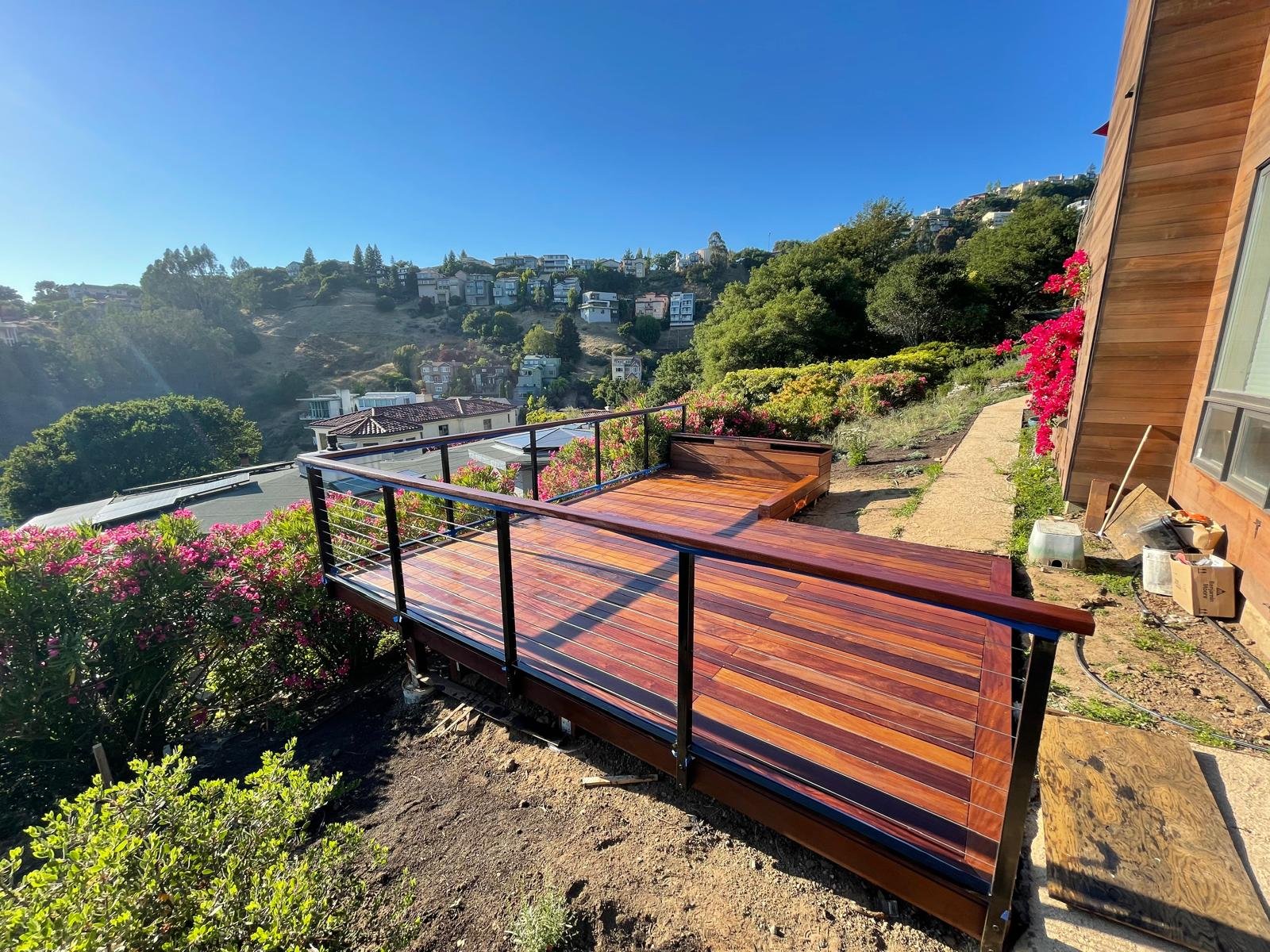
How Much Does It Cost to Build a Deck in 2026?
A new deck is one of the best ways to add usable living space to your home without the price tag of a full addition. It gives you room to grill, relax, and entertain outdoors, and it’s consistently ranked among the top home improvements for return on investment. But before you start sketching out your dream backyard setup, you need a realistic number to plan around.
The honest answer is: it depends. Deck costs in 2026 swing widely based on size, material, design complexity, and where you live. In this guide, we’ll break down the real numbers homeowners are seeing this year, the factors that move the price most, and how to make sure the estimates you’re comparing are actually apples-to-apples.
What Is the Average Cost of a New Deck in 2026?
Most homeowners building a professionally installed deck in 2026 spend somewhere between $5,000 and $16,000, with a national average landing in the $8,000–$9,000 range for a mid-size, pressure-treated wood deck. On a per-square-foot basis, professional installation typically runs $25 to $60, though budget builds can come in closer to $15/sq ft and high-end custom projects can climb past $80/sq ft.
To put that in perspective:
- A small 12×12 deck (144 sq ft) often costs somewhere between $4,000 and $9,000 installed.
- A mid-size 14×20 deck (280 sq ft) typically lands between $8,000 and $17,000.
- A large 20×20 deck (400 sq ft) can run from $12,000 to $24,000 or more, depending on material and design.
If you’re comparing deck materials specifically, industry cost reports show a meaningful gap between wood and composite at the high end: a standard 16×20 wood deck addition averages around $18,000 nationally, while the same footprint in composite decking averages closer to $25,000. That gap matters when you’re setting a budget, which is why material choice deserves its own conversation (more on that below).
The big takeaway: there’s no single “correct” price for a deck. Square footage, material, labor rates in your region, and how complicated the design is will all push your final number up or down. A good rule of thumb is to build your budget around a per-square-foot range rather than a flat dollar figure, then refine it once you know your material and design.
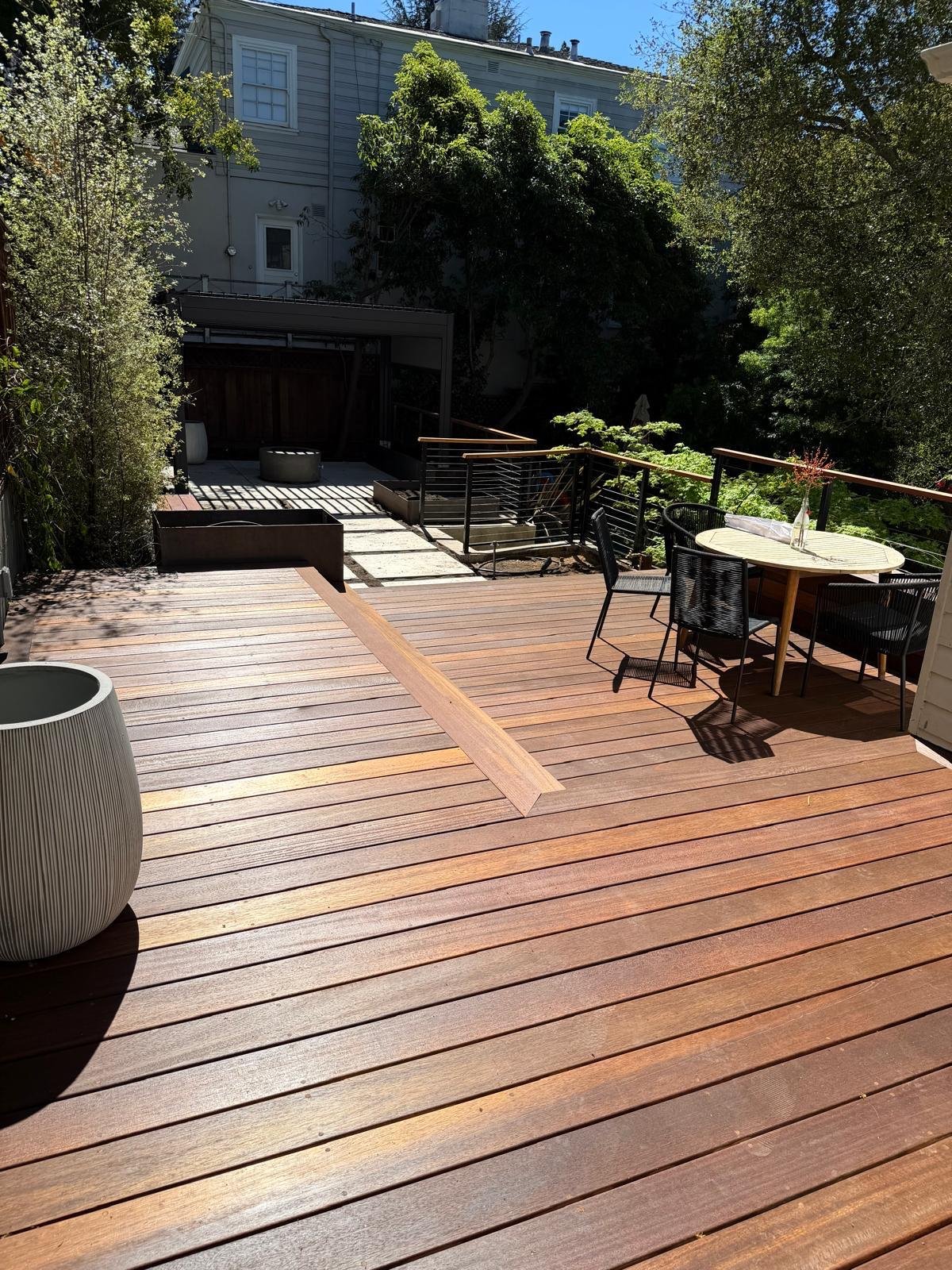
What Factors Have the Biggest Impact on Price?
A handful of variables drive most of the cost variation you’ll see between quotes:
1. Size and square footage. This is the most obvious factor, but it’s not purely linear — a larger deck spreads fixed costs (like permits and equipment delivery) over more square footage, so price per square foot sometimes drops slightly as size increases.
2. Decking material. Pressure-treated pine is the budget option, composite and PVC sit in the middle-to-premium range, and exotic hardwoods like ipe sit at the top. Material alone can double or triple your total cost.
3. Labor. Labor typically makes up 50–70% of a professional deck installation. Rates vary significantly by region and by how busy contractors are — spring and early summer are peak season, and prices often rise accordingly.
4. Height and foundation. A ground-level deck is the cheapest to build. Elevated or multi-level decks require additional framing, footings, and structural support, which adds both material and labor cost.
5. Site conditions and access. Sloped yards, hard-to-access backyards, or existing structures that need to be removed first can all add unexpected costs. A flat, easily accessible lot is the cheapest scenario for a contractor to work with.
6. Design complexity. Curves, multiple levels, built-in seating, pergolas, and custom railings all add labor hours and material waste compared to a simple rectangular deck.
7. Local permit and code requirements. Some municipalities have stricter inspection and permitting processes than others, which affects both cost and timeline.
Of all these, material and labor together typically account for the largest share of your total budget — which is why it’s worth spending extra time comparing decking materials before you commit.
How Much More Does Composite Decking Cost?
This is one of the most common questions homeowners ask, and the answer has shifted in recent years.
Material costs: Pressure-treated wood typically runs $2 to $6 per square foot for materials alone, while composite decking material runs roughly $5 to $22 per square foot depending on the brand and tier. Installed (materials plus labor), composite decking generally costs $25 to $54 per square foot, compared to $15 to $35 per square foot for a wood deck of similar size.
Put another way: composite decking commonly adds 30–40% to your upfront cost compared to pressure-treated wood. On a standard 300 sq ft deck, that can mean a difference of several thousand dollars.
But upfront cost isn’t the whole story. Pressure-treated wood needs to be resealed or restained every two to three years, at a cost of roughly $2 to $4 per square foot each time. Over a 15–20 year period, that recurring maintenance can close a significant portion of the price gap with composite, which requires little more than occasional washing.
Industry cost-versus-value data backs this up: wood deck additions tend to recoup a slightly higher percentage of their cost at resale than composite, but composite decks last longer and require far less upkeep — which matters more in hot, humid, or high-UV climates where wood degrades faster.
Bottom line: if your budget is tight today, wood is the more affordable starting point. If you’re thinking about total cost of ownership over 15+ years, or you live somewhere with harsh weather, composite often pencils out to be the smarter long-term choice.
Do Stairs, Railings, Lighting, and Permits Increase the Budget?
Yes — and homeowners are often surprised by how much these “extras” add up. None of them are optional in most builds, so it’s worth budgeting for them from the start rather than treating them as add-ons.
- Stairs: Expect to add roughly $150 to $500 per stair, depending on material and width. A deck with a full staircase down to grade can add $1,000–$3,000 to the total project.
- Railings: Railings are often priced per linear foot, ranging from about $20 per linear foot for basic wood or composite railing to $50–$100+ per linear foot for metal, cable, or glass systems. On an average-size deck, railings alone can add $1,500 to $5,000+.
- Lighting: Post-cap lights, step lights, and under-rail LED strips are increasingly standard rather than optional. Basic lighting packages start around $200–$500, while more elaborate integrated lighting systems can run $1,000 or more.
- Permits: Most municipalities require a permit for any deck attached to the house or built above a certain height (often 30 inches). Permit fees typically range from $100 to $700 depending on your location, and skipping this step can create real problems later — unpermitted decks can complicate home sales and insurance claims.
Altogether, stairs, railings, lighting, and permits can easily add 15–30% to what looks like a straightforward “base” deck quote. This is exactly why two estimates for what seems like “the same deck” can differ by thousands of dollars — one contractor may be quoting a bare platform, while another has priced in the full package.
How Can Homeowners Compare Deck Estimates Accurately?
Getting multiple quotes is smart, but comparing them fairly takes a bit more diligence than just looking at the bottom-line number. Here’s how to do it right:
- Get at least three quotes. This gives you a realistic price range and helps you spot outliers — both suspiciously low bids and inflated ones.
- Confirm what’s included. Ask each contractor explicitly whether their quote covers framing, footings, railings, stairs, lighting, permits, and cleanup/haul-away. A cheaper bid that excludes railings and permits isn’t actually cheaper.
- Match materials line by line. Make sure every quote specifies the exact decking brand and grade, not just “composite” or “wood.” Composite alone spans a wide price range depending on the manufacturer and product tier.
- Ask about warranty coverage. Materials, workmanship, and structural warranties vary by contractor. A slightly higher bid with a stronger warranty may be the better value.
- Check the timeline and payment schedule. Estimates should include a realistic build timeline and a clear payment structure — beware of contractors asking for full payment upfront.
- Factor in your climate and maintenance plans. A lower upfront price on wood decking may cost more over a decade once staining and resealing are factored in. Ask contractors to walk you through expected maintenance costs, not just the installation price.
- Time your project strategically. Contractors are typically busiest — and pricier — in spring and early summer. Requesting quotes in late fall or winter can sometimes get you a meaningfully better rate.
The goal isn’t just to find the lowest number, but to understand exactly what that number buys you. A detailed, itemized quote that spells out materials, labor, permits, and finishing touches will always serve you better than a vague lump-sum estimate — even if it looks slightly higher on paper.
The Bottom Line
Building a deck in 2026 will likely cost most homeowners somewhere between $5,000 and $20,000, with material choice and labor driving the biggest swings in price. Pressure-treated wood remains the budget-friendly entry point, while composite decking costs more upfront but pays off in reduced maintenance over time. Stairs, railings, lighting, and permits aren’t optional extras — they’re core parts of nearly every deck project, and budgeting for them from day one will save you from sticker shock later.
The smartest move any homeowner can make is to get several detailed, itemized quotes and compare them line by line. That’s the only way to know whether you’re actually comparing the same project — and to make sure the deck you end up with matches both your budget and your vision.
Ready to start planning your deck project? Reach out to the BleuNet team for a personalized estimate tailored to your home, budget, and style.