
Common Causes of Structural Damage and What They Cost to Fix
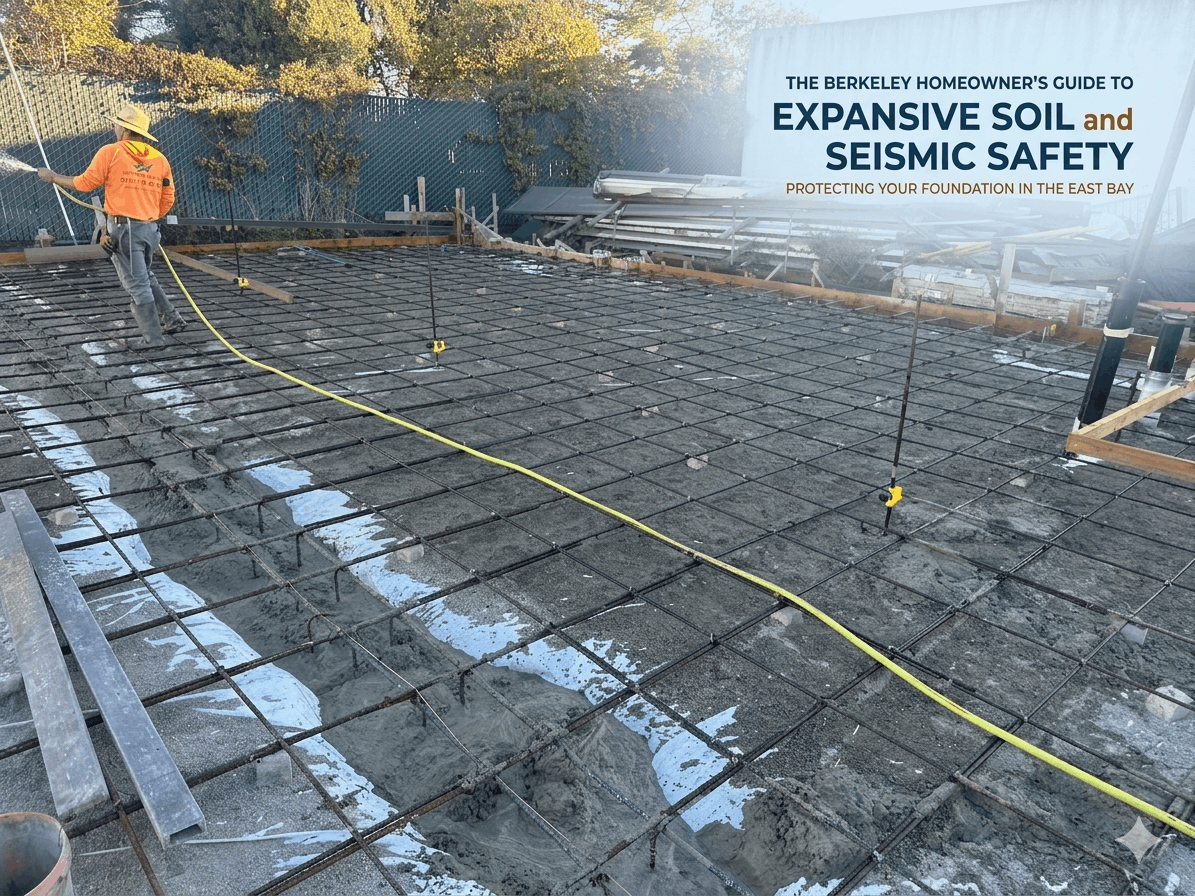
Common Causes of Structural Damage and What They Cost to Fix
Foundation problems are among the most serious issues a homeowner can face. Whether you notice cracks in your walls, uneven floors, sticking doors, or signs of structural movement, addressing foundation damage early can prevent more expensive repairs in the future. One of the first questions homeowners ask is, “How much does foundation repair cost in 2026?”
The answer depends on several factors, including the type of foundation, the extent of the damage, soil conditions, repair methods, and whether insurance may cover any portion of the work. Understanding these variables can help you budget effectively and make informed decisions about protecting your property.
In this guide, BleuNet explains the latest foundation repair costs, the factors that influence pricing, and what homeowners should know about insurance coverage.
Understanding Foundation Repair Costs in 2026
Foundation repair costs vary significantly depending on the severity of the issue and the repair solution required. Minor repairs may cost only a few hundred dollars, while extensive structural repairs can run into tens of thousands of dollars.
In 2026, homeowners can generally expect the following price ranges:
| Repair Type | Estimated Cost Range |
|---|---|
| Minor crack repairs | $500 – $2,000 |
| Foundation sealing and waterproofing | $2,000 – $8,000 |
| Slab jacking or mudjacking | $3,000 – $10,000 |
| Pier and beam repairs | $4,000 – $15,000 |
| Foundation underpinning with piers | $8,000 – $30,000+ |
| Major structural foundation reconstruction | $20,000 – $100,000+ |
These figures represent industry averages and can vary based on location, accessibility, labor costs, and property size.
While these numbers may seem substantial, delaying repairs often results in greater structural damage and significantly higher expenses down the road.
Why Foundation Problems Should Never Be Ignored
Your home’s foundation supports the entire structure. When foundation movement occurs, it affects walls, floors, ceilings, windows, plumbing systems, and even roofing components.
Common warning signs include:
- Cracks in interior or exterior walls
- Uneven or sloping floors
- Doors and windows that stick
- Gaps around window frames
- Cracked concrete slabs
- Separation between walls and ceilings
- Moisture intrusion in crawl spaces or basements
Ignoring these issues can lead to worsening structural instability, reduced property value, and increased repair costs.
What Factors Affect Foundation Repair Costs?
No two foundation repair projects are identical. Several factors influence the final price homeowners pay.
1. Type of Foundation
The type of foundation beneath your home plays a major role in determining repair costs.
Concrete Slab Foundations
Slab foundations are common in many residential properties. Repairs often involve slab jacking, polyurethane foam injection, or underpinning.
Because the concrete slab sits directly on the ground, repairs can be challenging if soil movement is extensive.
Crawl Space Foundations
Homes with crawl spaces provide easier access to structural components, but damaged support beams, joists, or footings may require additional repairs.
Basement Foundations
Basement foundations often involve waterproofing concerns in addition to structural repairs. Water intrusion can complicate repair efforts and increase costs.
2. Severity of the Damage
Minor cosmetic cracks generally cost much less to repair than widespread structural movement.
Foundation issues are often categorized as:
Minor Damage
- Hairline cracks
- Small settlement issues
- Limited moisture intrusion
Moderate Damage
- Noticeable wall cracks
- Uneven flooring
- Partial foundation settlement
Severe Damage
- Significant structural movement
- Bowing walls
- Major foundation shifting
- Extensive water damage
The more advanced the damage, the more labor and materials are required.
3. Soil Conditions
Soil movement is one of the leading causes of foundation problems.
Expansive clay soils can swell when wet and shrink when dry, creating pressure that causes foundations to shift over time.
Other soil-related issues include:
- Poor drainage
- Soil erosion
- Excessive moisture
- Inadequate compaction during construction
Properties located in areas with unstable soil often require deeper stabilization methods, increasing overall repair costs.
4. Repair Method Used
Different foundation issues require different repair solutions.
Common repair methods include:
Crack Injection
Epoxy or polyurethane injections seal foundation cracks and prevent water infiltration.
This is often one of the least expensive repair options.
Slab Jacking
Also known as mudjacking, this process lifts and levels sunken concrete by pumping material beneath the slab.
Polyurethane Foam Injection
A lightweight foam is injected beneath concrete surfaces to stabilize and raise settled foundations.
Helical Piers
Helical piers are screwed deep into stable soil layers to support and stabilize sinking foundations.
Push Piers
Push piers transfer the weight of the structure to deeper, load-bearing soil or bedrock.
These advanced stabilization methods typically carry higher costs but provide long-term structural support.
5. Accessibility of the Repair Area
Accessibility affects labor requirements and project duration.
Factors that can increase costs include:
- Limited crawl space access
- Landscaping obstacles
- Attached structures
- Concrete patios or driveways
- Utility lines near the repair zone
Projects requiring excavation or specialized equipment generally cost more than easily accessible repairs.
6. Property Size and Weight
Larger homes place greater loads on foundations and may require additional support systems.
A small residential property may need only a few stabilization points, while a larger structure may require numerous piers or reinforcement systems.
As the size and weight of the building increase, repair costs often rise accordingly.
7. Water Damage and Drainage Problems
Many foundation issues stem from poor drainage.
If water management problems are contributing to foundation movement, additional corrective measures may be necessary, including:
- French drains
- Surface drainage improvements
- Gutter modifications
- Sump pump installation
- Waterproofing systems
Addressing these underlying causes helps prevent recurring damage but can increase overall project costs.
Regional Considerations for Homeowners
Environmental conditions can significantly affect foundation performance.
Areas with seasonal rainfall, changing moisture levels, or expansive soils often experience greater foundation movement. Homeowners seeking professional solutions for Foundation Repair Berkeley in CA should consider local soil conditions, drainage patterns, and seismic influences when evaluating repair options.
Working with experienced professionals familiar with regional challenges helps ensure long-lasting results.
Is Foundation Repair Covered by Home Insurance?
Another common question homeowners ask is whether their insurance policy will pay for foundation repairs.
The answer depends on the cause of the damage.
When Insurance May Cover Foundation Repair
Home insurance generally covers damage caused by sudden, unexpected events.
Examples may include:
- Burst plumbing pipes
- Fire-related damage
- Vehicle impact
- Certain storm-related incidents
- Accidental water discharge
If a covered event directly causes foundation damage, insurance may help pay for repairs.
However, every policy is different, and coverage limits vary.
When Insurance Typically Does Not Cover Foundation Repair
Most standard homeowners insurance policies do not cover foundation damage resulting from:
- Normal settling
- Poor construction practices
- Soil movement
- Earthquakes
- Flooding
- Wear and tear
- Lack of maintenance
- Tree root intrusion
Since many foundation issues develop gradually over time, they often fall outside standard coverage provisions.
Understanding Earthquake and Flood Coverage
Earthquakes and flooding are among the most common causes of foundation movement.
Unfortunately, standard homeowners policies usually exclude both.
Homeowners in higher-risk regions may need separate:
- Earthquake insurance
- Flood insurance
These specialized policies may provide protection depending on the circumstances and policy terms.
Steps to Take if You Suspect Insurance Coverage
If you discover foundation damage, consider the following steps:
Document the Damage
Take clear photographs and notes detailing all visible signs of damage.
Review Your Insurance Policy
Check policy language regarding structural damage, exclusions, and covered perils.
Contact Your Insurance Provider
Discuss the situation with your insurer and ask whether an inspection or claim evaluation is appropriate.
Obtain Professional Assessments
A qualified foundation specialist can help determine the underlying cause of the damage and provide documentation if needed.
Can Foundation Repair Increase Home Value?
In many cases, yes.
Foundation problems are major red flags for buyers and lenders. Addressing structural issues can improve:
- Property value
- Marketability
- Financing eligibility
- Buyer confidence
- Long-term structural stability
Repairing foundation damage before listing a property often makes the sales process smoother and helps avoid price negotiations related to structural concerns.
How to Reduce Future Foundation Repair Costs
Preventive maintenance is often far less expensive than major repairs.
Homeowners can protect their foundations by:
Maintaining Proper Drainage
Ensure gutters, downspouts, and drainage systems direct water away from the home.
Monitoring Moisture Levels
Avoid excessive soil drying or saturation around the foundation perimeter.
Repairing Plumbing Leaks Promptly
Underground leaks can contribute to soil movement and settlement.
Inspecting for Early Warning Signs
Regular inspections can identify small issues before they become costly structural problems.
Managing Landscaping Carefully
Large trees planted too close to foundations can affect soil moisture levels and contribute to movement.
Final Thoughts
Foundation repair costs in 2026 can range from a few hundred dollars for minor crack repairs to tens of thousands of dollars for major structural stabilization. The final cost depends on factors such as foundation type, severity of damage, soil conditions, repair methods, accessibility, and drainage issues.
While homeowners insurance may cover foundation damage caused by certain sudden events, most policies do not cover problems resulting from settling, soil movement, flooding, or lack of maintenance. Understanding your policy and obtaining professional evaluations can help determine your coverage options.
The key to minimizing costs is early detection. Addressing foundation concerns as soon as they appear can prevent more extensive damage, protect your home’s value, and provide long-term peace of mind. At BleuNet, we believe informed homeowners are better equipped to make confident decisions about maintaining and protecting their most valuable investment.