
Foundation Repair vs Replacement: Which Costs More?
Foundation Repair vs Replacement: Which Costs More?
A home’s foundation is one of its most critical structural components. It supports the entire building, keeps walls level, and helps maintain long-term stability. When foundation issues arise, homeowners are often faced with a difficult question: should they repair the foundation or replace it entirely?
The answer depends on several factors, including the severity of the damage, the age of the structure, soil conditions, and budget considerations. While both solutions can restore structural integrity, the costs associated with each option can vary significantly.
In this guide, BleuNet explains the differences between foundation repair and foundation replacement, the factors that affect pricing, and how homeowners can determine the most cost-effective solution for their property.
Understanding Foundation Problems
Before comparing costs, it’s important to understand why foundations fail in the first place.
Common causes of foundation damage include:
- Expansive or shifting soil
- Poor drainage around the property
- Tree root intrusion
- Earthquakes and seismic activity
- Water leaks beneath the foundation
- Natural settling over time
- Inadequate construction practices
Foundation issues often begin with subtle warning signs, such as:
- Cracks in walls or ceilings
- Uneven or sloping floors
- Doors and windows that stick
- Gaps around window frames
- Foundation cracks
- Water intrusion in crawl spaces or basements
Early detection can often make the difference between a relatively affordable repair and a much more expensive replacement project.
What Is Foundation Repair?
Foundation repair involves correcting specific structural problems while preserving the majority of the existing foundation. The goal is to stabilize the structure, prevent further movement, and restore safety without replacing the entire foundation system.
Common foundation repair methods include:
Crack Repair
Small foundation cracks can often be sealed and reinforced to prevent water infiltration and structural deterioration.
Pier Installation
Steel or concrete piers are installed beneath the foundation to stabilize and lift settling sections.
Slab Jacking
This process raises sunken concrete slabs by injecting specialized materials underneath the affected area.
Drainage Improvements
Correcting drainage issues can help prevent future foundation movement caused by excess moisture.
Crawl Space Support Systems
Additional supports and beams can strengthen weakened crawl space foundations.
Because these repairs target specific problem areas, they are generally less expensive than complete replacement.
What Is Foundation Replacement?
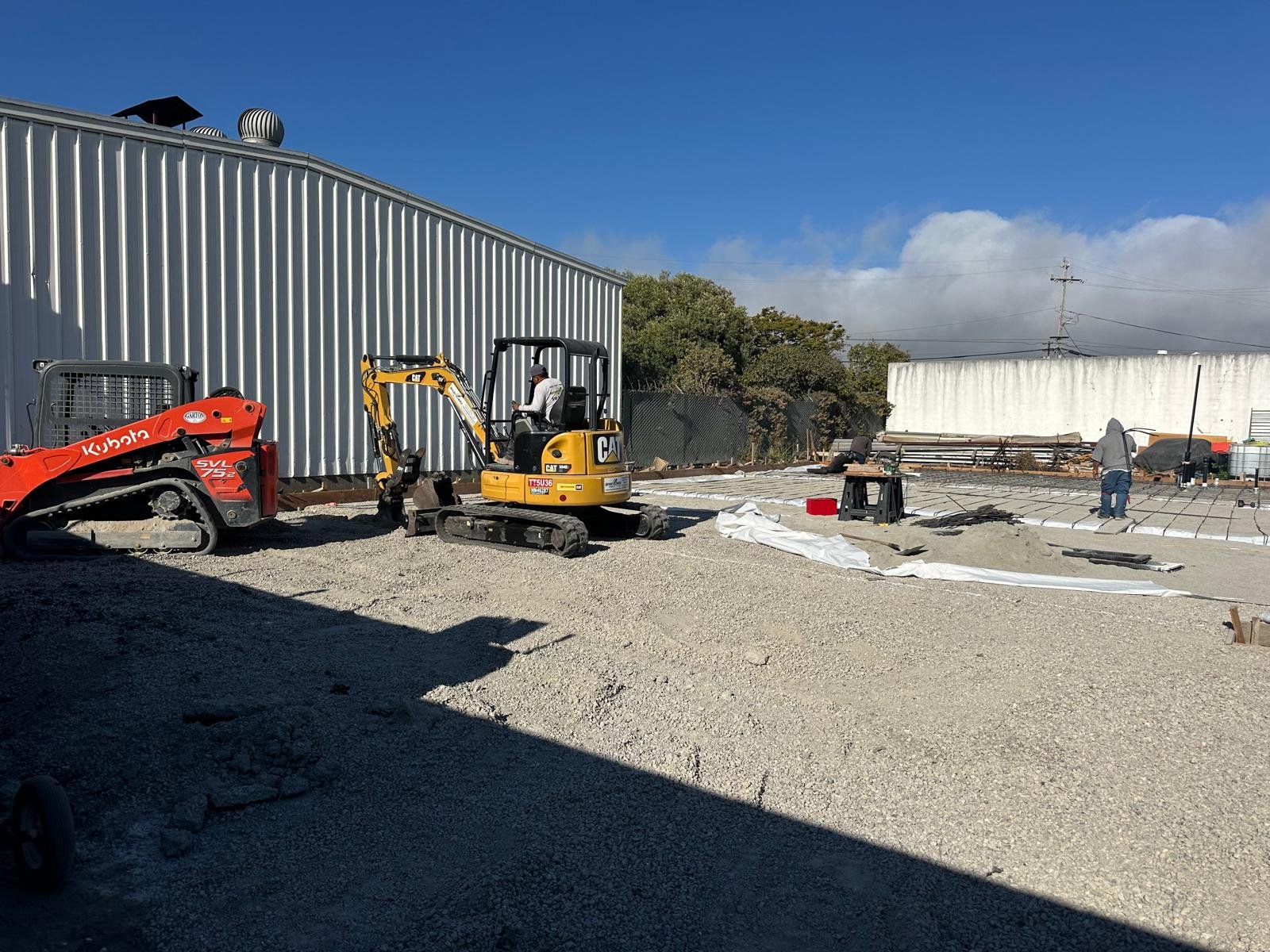
Foundation replacement involves removing and rebuilding all or a significant portion of the existing foundation. This process is much more extensive and typically requires lifting the structure while new foundation components are installed.
Replacement may include:
- Complete excavation around the home
- Temporary structural support systems
- Demolition of damaged foundation sections
- Construction of a new foundation
- Reinforcement with modern materials
- Reconnection of utilities and drainage systems
This option is usually recommended when the foundation has suffered widespread structural failure that cannot be effectively repaired.
Foundation Repair Costs
Foundation repair costs vary based on the type and extent of damage.
Several factors influence pricing:
Severity of Damage
Minor cracks may require only simple repairs, while severe settlement may need multiple piers and structural stabilization.
Foundation Type
Slab foundations, crawl spaces, and basement foundations each require different repair techniques.
Accessibility
Limited access to repair areas can increase labor costs.
Soil Conditions
Properties built on unstable soil may require more extensive stabilization measures.
Local Building Requirements
Permit fees and engineering evaluations can also affect overall project costs.
In many cases, foundation repair is a practical solution because it addresses the root cause of the problem without requiring major reconstruction.
Foundation Replacement Costs
Foundation replacement is typically one of the most expensive structural projects a homeowner can undertake.
The process often includes:
- Structural engineering assessments
- House lifting procedures
- Demolition and disposal costs
- New foundation construction
- Utility relocation
- Permit and inspection fees
Because the entire structure is affected, labor requirements are significantly higher than those associated with repair projects.
In addition to direct construction expenses, homeowners may face temporary relocation costs during the replacement process.
Which Option Costs More?
In nearly every situation, foundation replacement costs substantially more than foundation repair.
The primary reasons include:
Greater Labor Requirements
Replacing an entire foundation involves multiple construction phases and specialized equipment.
Longer Project Timelines
While many repairs can be completed within days, replacement projects often take weeks or even months.
Material Costs
A complete foundation rebuild requires significantly more concrete, reinforcement materials, and structural components.
Engineering and Permitting
Replacement projects typically involve more detailed engineering plans and stricter permitting requirements.
Utility Adjustments
Water, gas, sewer, and electrical systems may need temporary disconnection and reconnection.
As a result, replacement is generally reserved for situations where repair is no longer a viable option.
When Foundation Repair Makes Sense
Repair is often the preferred solution when:
- Damage is localized
- Cracks are relatively minor
- Settlement is limited to specific areas
- Structural integrity remains largely intact
- Moisture-related problems can be corrected
Homeowners who address issues early frequently avoid the need for more extensive and costly work later.
For many properties requiring Foundation Repair in Berkeley CA, early intervention can stabilize the structure and extend the life of the existing foundation for many years.
When Foundation Replacement Is Necessary
Although repair is often more affordable, there are situations where replacement becomes the better long-term investment.
Replacement may be recommended when:
Severe Structural Failure Exists
Extensive cracking, shifting, or collapse may indicate that repairs will not provide lasting results.
Multiple Previous Repairs Have Failed
Repeated repairs can become more expensive over time than a single comprehensive replacement.
Significant Foundation Deterioration
Older foundations may suffer from material degradation that cannot be effectively corrected through repairs.
Major Design Deficiencies
Some foundations were originally constructed using outdated methods that no longer meet modern structural standards.
Safety Concerns Are Present
If the foundation poses a risk to occupants, replacement may be the safest solution.
In these cases, homeowners considering Foundation Replacement in Berkeley CA may find that a complete rebuild provides greater long-term value despite the higher initial investment.
Comparing Long-Term Value
When evaluating costs, it’s important to consider more than just the upfront expense.
Foundation Repair Benefits
- Lower initial cost
- Faster completion
- Less disruption to daily life
- Preserves existing structure
- Effective for many common issues
Foundation Replacement Benefits
- Addresses widespread structural damage
- Provides a fresh foundation system
- May increase long-term property value
- Reduces future repair concerns
- Can improve overall structural performance
The best choice depends on the condition of the foundation and the projected lifespan of the repair solution.
How Berkeley’s Environment Affects Foundations
Berkeley homeowners face unique foundation challenges due to local environmental conditions.
These include:
- Expansive clay soils
- Seasonal moisture fluctuations
- Earthquake activity
- Hillside construction
- Aging housing stock
These factors can contribute to foundation movement and structural stress over time.
Regular inspections are particularly important in areas where soil movement and seismic activity are common. Identifying problems early can significantly reduce repair costs and help avoid full replacement.
The Importance of Professional Evaluation
One of the biggest mistakes homeowners make is assuming that foundation replacement is necessary simply because visible damage exists.
A qualified foundation specialist can determine:
- The actual cause of the problem
- Whether movement is active or historical
- The extent of structural damage
- The most cost-effective repair strategy
- Expected long-term performance
Professional inspections often reveal that targeted repairs can successfully resolve issues that initially appear severe.
Preventing Future Foundation Problems
Whether a homeowner chooses repair or replacement, preventative maintenance plays a critical role in protecting the investment.
Recommended steps include:
- Maintaining proper drainage around the home
- Cleaning gutters regularly
- Repairing plumbing leaks promptly
- Monitoring foundation cracks
- Managing landscaping and tree roots
- Scheduling periodic inspections
These measures can reduce future structural stress and extend the life of the foundation.
Conclusion
When comparing foundation repair and foundation replacement, replacement almost always costs more due to the extensive labor, materials, engineering, and construction involved. However, higher cost does not automatically mean it is the better solution.
In many cases, foundation repair provides an effective and affordable way to restore structural stability while preserving the existing foundation. Replacement is generally reserved for situations involving severe deterioration, widespread structural failure, or foundations that can no longer be safely repaired.
The key is obtaining a professional evaluation before making any decisions. By understanding the condition of the foundation and the available options, homeowners can choose the solution that delivers the best balance of cost, safety, and long-term value.
BleuNet provides professional construction and structural solutions designed to help homeowners protect and maintain their properties. With a focus on quality workmanship and long-term reliability, BleuNet helps clients make informed decisions about foundation performance, structural repairs, and property improvements.